The Science Within
Big ideas. Bite-sized insights.
Practical, science-backed insights from leadership, organisational psychology, behavioural science, and the neuroscience of mental health—decoded in under 5 minutes. Real-world tools to make better decisions, improve performance, and understand the mind.
Because real change starts from within.

Is overeating really that different from drug addiction?
October 2025 // Behavioural Change & Addiction
Brain imaging studies reveal a haunting similarity: both obese individuals and those with drug addictions show fewer dopamine receptors in the striatum, meaning they experience less pleasure from everyday life.

Why do employees underperform? The hidden causes.
September 2025 // Leadership & Employee Underperformance
You’ve got an underperformer on your team. They miss deadlines, make mistakes, or don’t deliver what you expect. What could be the reasons why?

How do you offboard your team members?
September 2025 // Leadership & Offboarding
Onboarding builds trust. Offboarding proves it. Leaders often obsess over hiring and onboarding, but how you say goodbye to team members says just as much about your leadership.

Going through change? It always gets worse before it gets better.
September 2025 // Change Management
The “Change Curve,” which traces its roots to Elisabeth Kübler-Ross’s 1969 model of the five stages of grief, explains how people respond to all kinds of transitions.

Can AI coach you?
September 2025 // Coaching & Artificial Intelligence
Research shows that one of the most common reasons people are turning to AI is for therapy and coaching. But the question remains, can AI coach you effectively?.

Do you dig deep enough to understand the actual reason behind your problems?
July 2025 // Problem Solving
We often try to treat the symptoms without addressing what’s actually causing them. But if you don’t take time to identify the root cause, you’ll keep solving the wrong problem.

Do you hold yourself accountable?
June 2025 // Leadership
We often tell ourselves we’re stuck because of things outside of us: our boss, our team, the market, the economy, where we live, how we were raised, or the circumstances we didn’t choose. And while all of those things play a role, they’re not the reason we stay stuck. The real reason is harder to admit but more powerful to own: we haven’t taken full accountability yet.

How are your 𝗰𝗼𝗴𝗻𝗶𝘁𝗶𝘃𝗲 𝗱𝗶𝘀𝘁𝗼𝗿𝘁𝗶𝗼𝗻𝘀 holding you back?
June 2025 // Cognitive Distortions
Cognitive distortions are automatic, often irrational thought patterns that distort how we perceive ourselves, others, and situations. They fuel self-doubt, anxiety, and poor decisions; and most of the time, we don’t even realize we’re doing it.

Generational differences: Fact or fiction?
June 2025 // Leadership & Multi-Generational Teams
Today, companies and leaders are often urged to tailor their strategies for attracting, developing, leading, and rewarding employees according to their generational groups. But does research support these claims?
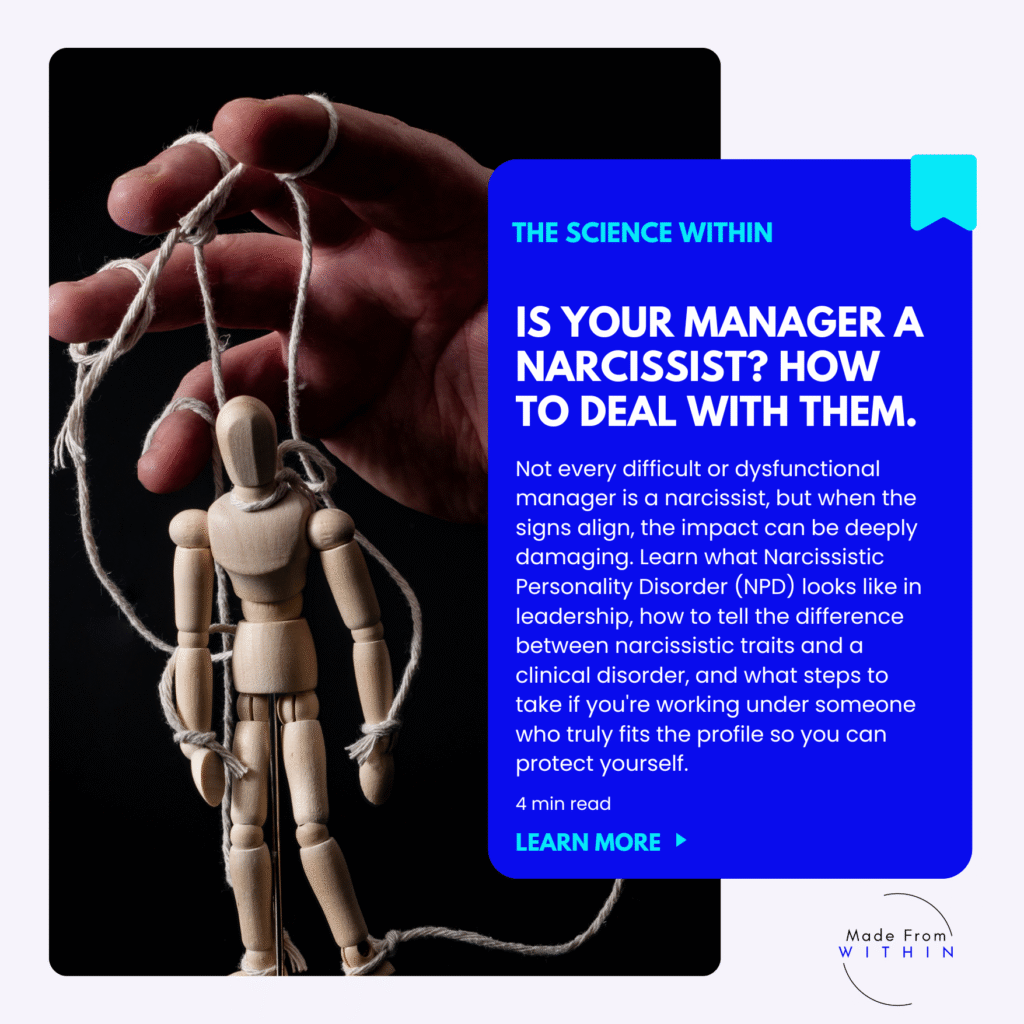
Is your manager a narcissist? Here is how to deal with them.
May 2025 // Leadership & Personality Disorders
Not every difficult or dysfunctional manager is a narcissist, but when the signs align, the impact can be deeply damaging. Learn what Narcissistic Personality Disorder (NPD) looks like in leadership, how to tell the difference between narcissistic traits and a clinical disorder, and what steps to take if you’re working under someone who truly fits the profile so you can protect yourself.
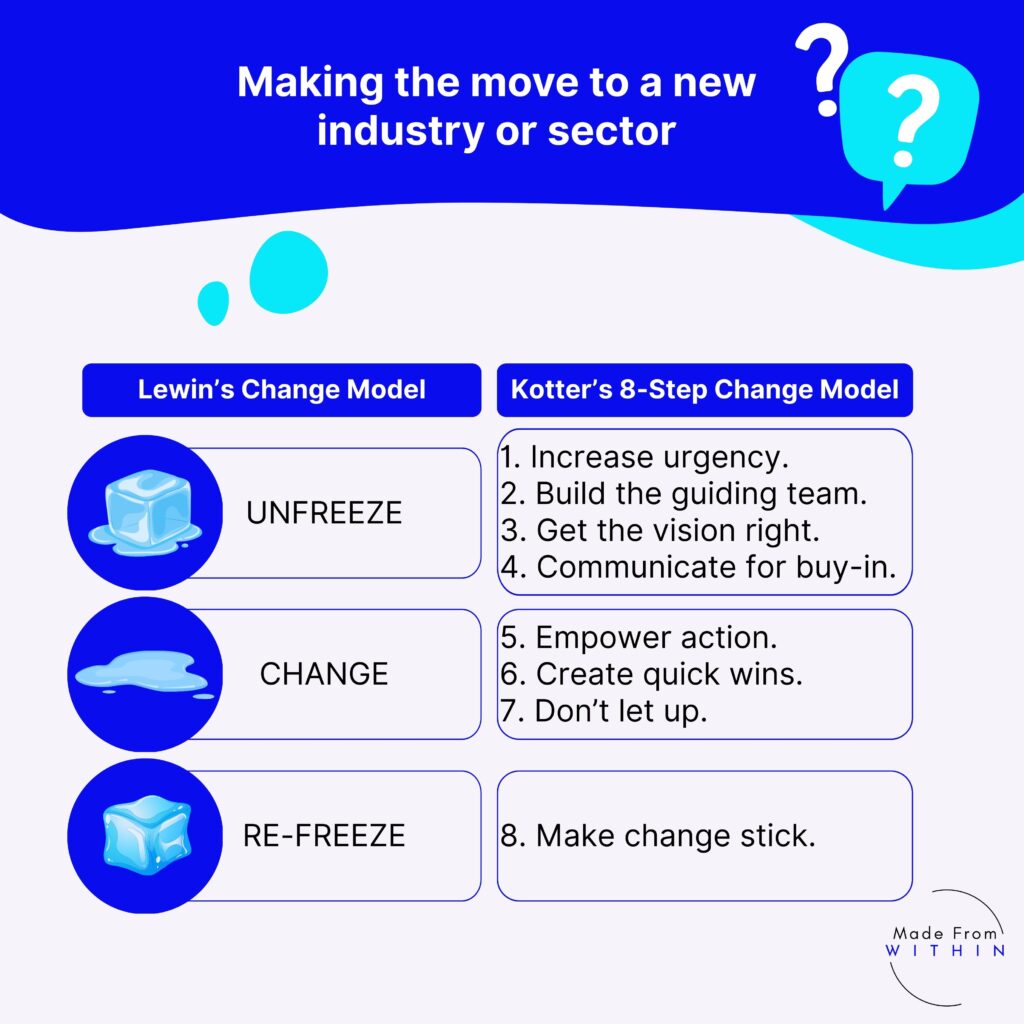
Are you moving to a new industry or sector?
April 2025 // Change Management
One of the biggest mistakes leaders tend to make when moving from a fast-paced industry to a more traditional one, or from the private sector to the public sector, is trying to change everything (and everyone) too quickly. What should they do instead?
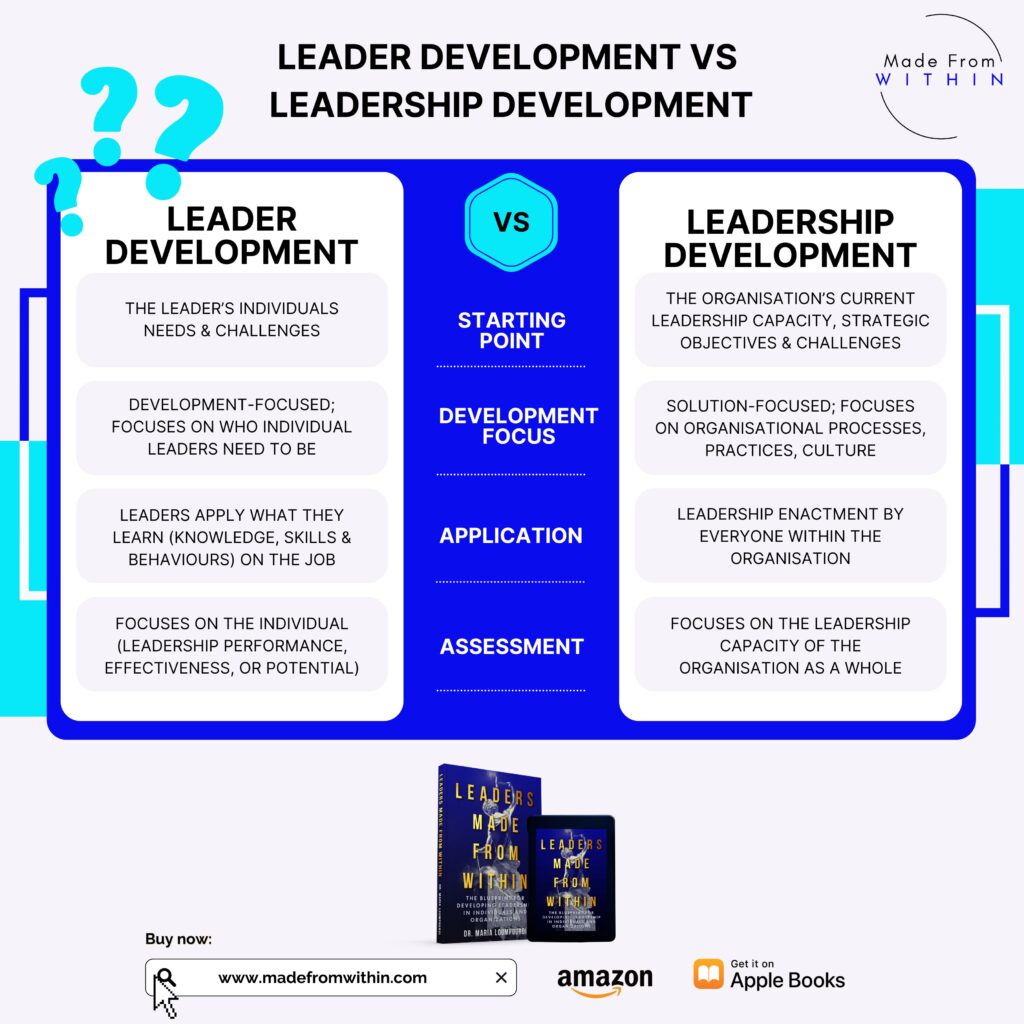
Leader vs Leadership DevelopmentLeader vs leadership development: What’s the difference, and why does it matter?
April 2025 // Leadership Development
When we think of leadership, we often picture a single person (the leader). That image shapes how most organisations approach development. They focus on individuals, their skills, and their ability to lead in isolation. But is that enough?
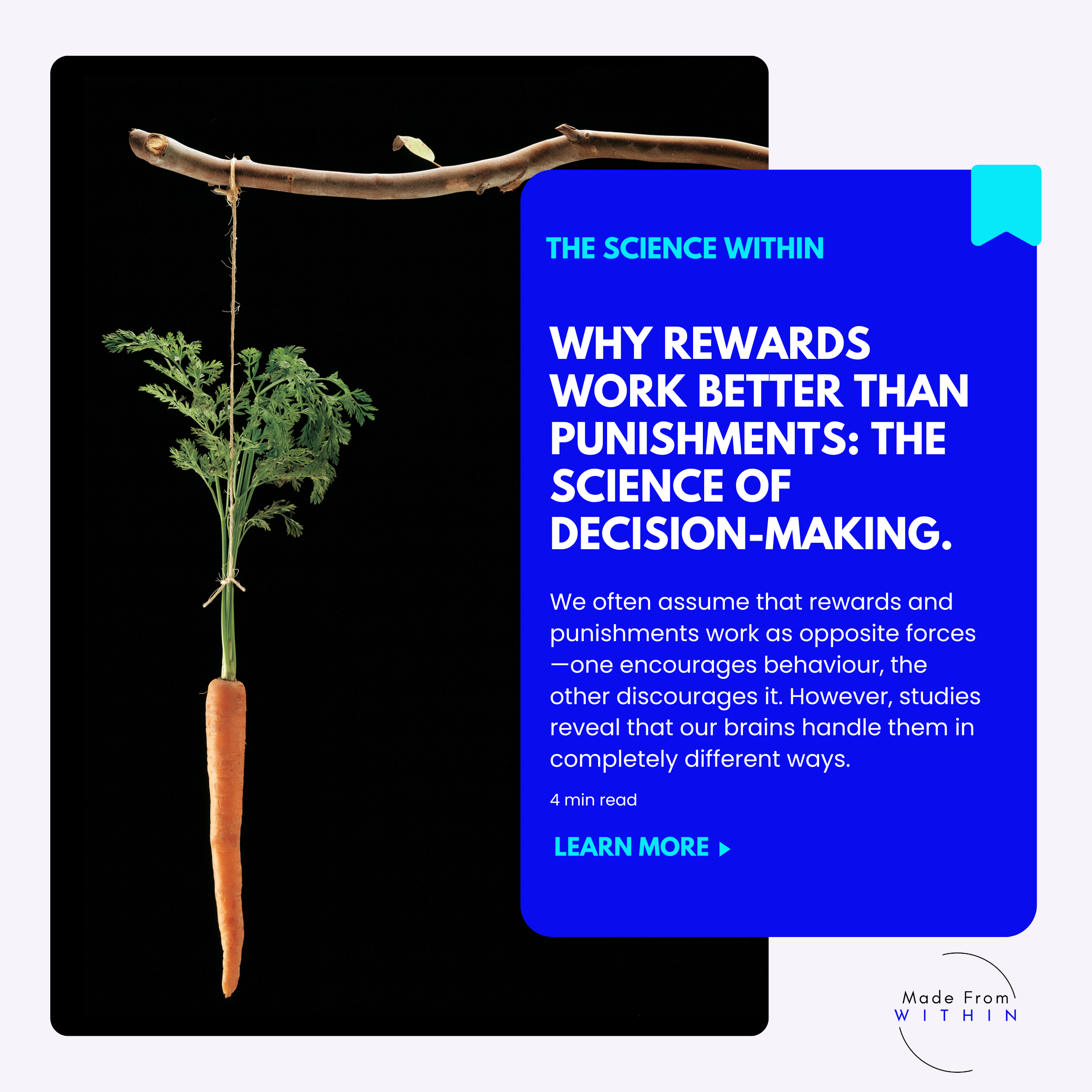
Why rewards work better than punishments: The science of decision-making.
March 2025 // The Psychology of Decision-Making
We often assume that rewards and punishments work as opposite forces—one encourages behaviour, the other discourages it. However, studies reveal that our brains handle them in completely different ways.
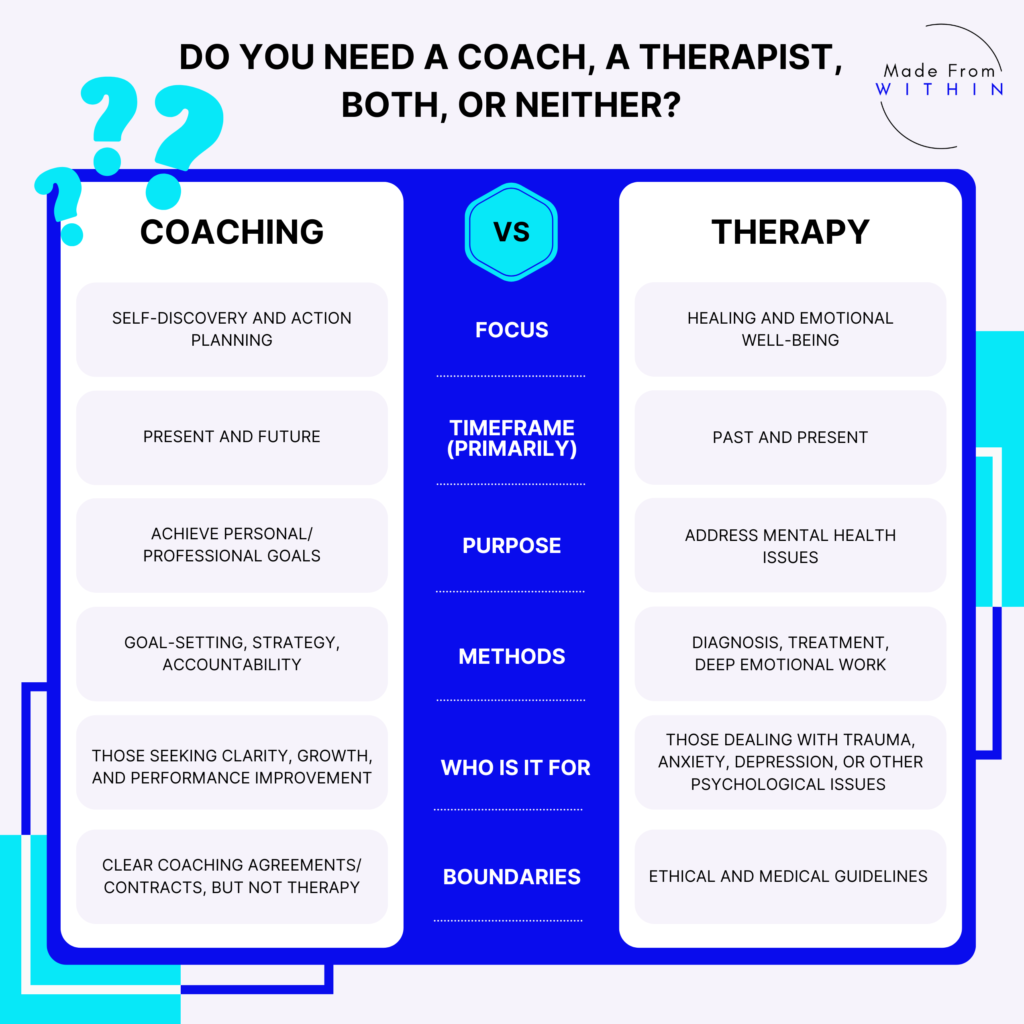
Do I need a coach, a therapist, both, or neither?
March 2025 // Coaching vs Therapy
𝗗𝗼 𝗜 𝗡𝗲𝗲𝗱 𝗮 𝗖𝗼𝗮𝗰𝗵, 𝗮 𝗧𝗵𝗲𝗿𝗮𝗽𝗶𝘀𝘁, 𝗕𝗼𝘁𝗵, 𝗼𝗿 𝗡𝗲𝗶𝘁𝗵𝗲𝗿?
It’s a common question, and the answer depends on your current needs and struggles. In this article you’ll find a quick comparison to help you decide.
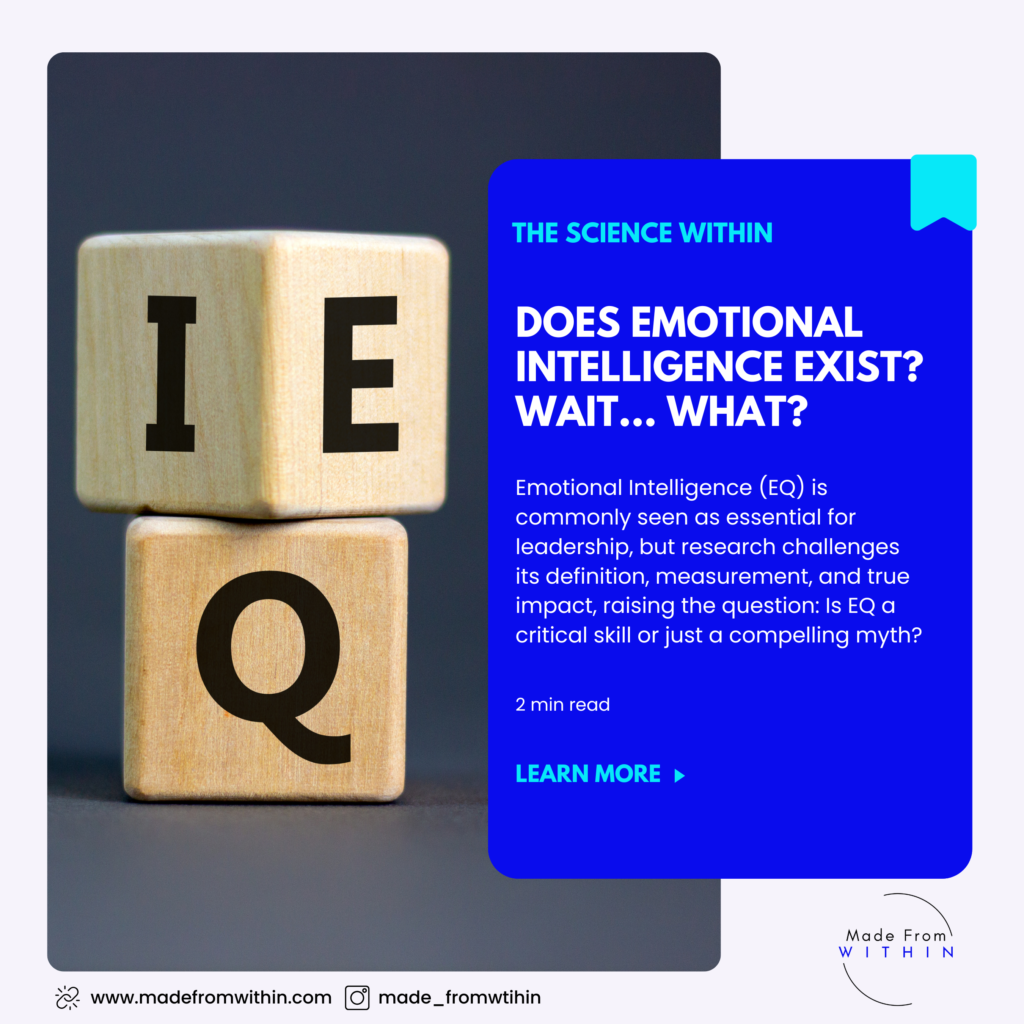
Does emotional intelligence exist? Wait… What?
March 2025 // Emotional Intelligence
Emotional Intelligence (EQ) is commonly seen as essential for leadership, but research challenges its definition, measurement, and true impact, raising the question: Is EQ a critical skill or just a compelling myth?
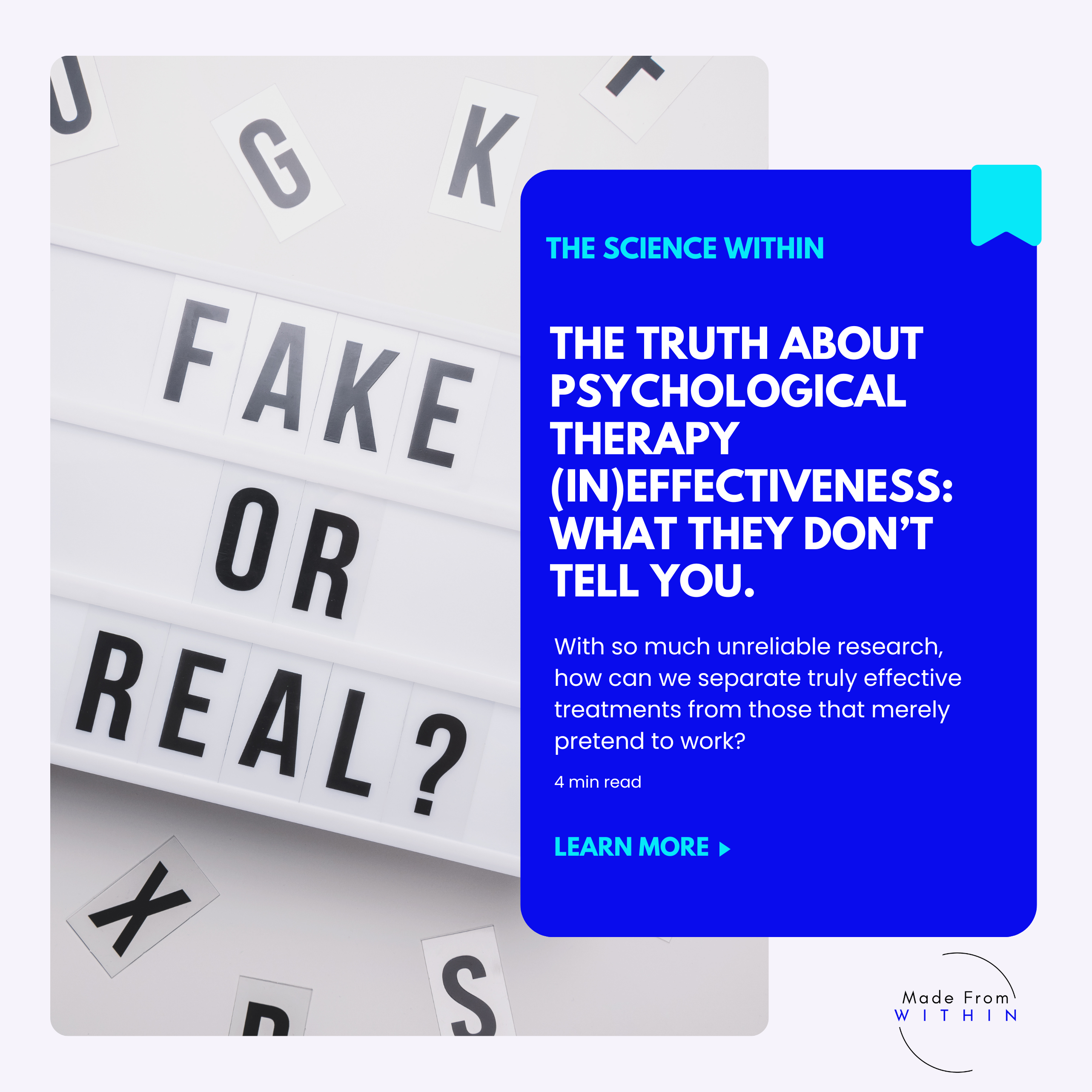
The truth about psychological therapy (in)effectiveness: What they don’t tell you.
March 2025 // Mental Health Therapy Research
With so much unreliable research, how can we separate truly effective treatments from those that merely pretend to work?

Have you ever tried cognitive behavioural therapy?
March 2025 // Cognitive Behavioural Therapy
Whether you are struggling with anxiety, depression or even addiction, cognitive behavioural therapy provides practical tools to change negative thought patterns and improve emotional well-being. But what exactly is CTB, where did it come from, and how does it work?

Can chronic stress and isolation physically change the brain?
January 2025 // Neuroscience of Mental Health
A recent study showed that prolonged stress, followed by social isolation, disrupts brain function and triggers depressive-like behaviours, revealing why loneliness can be so harmful.